
Breaking Down Data Silos: Solving the Integration Challenge in Manufacturing
I. Introduction – The Hidden Cost of Disconnected Data
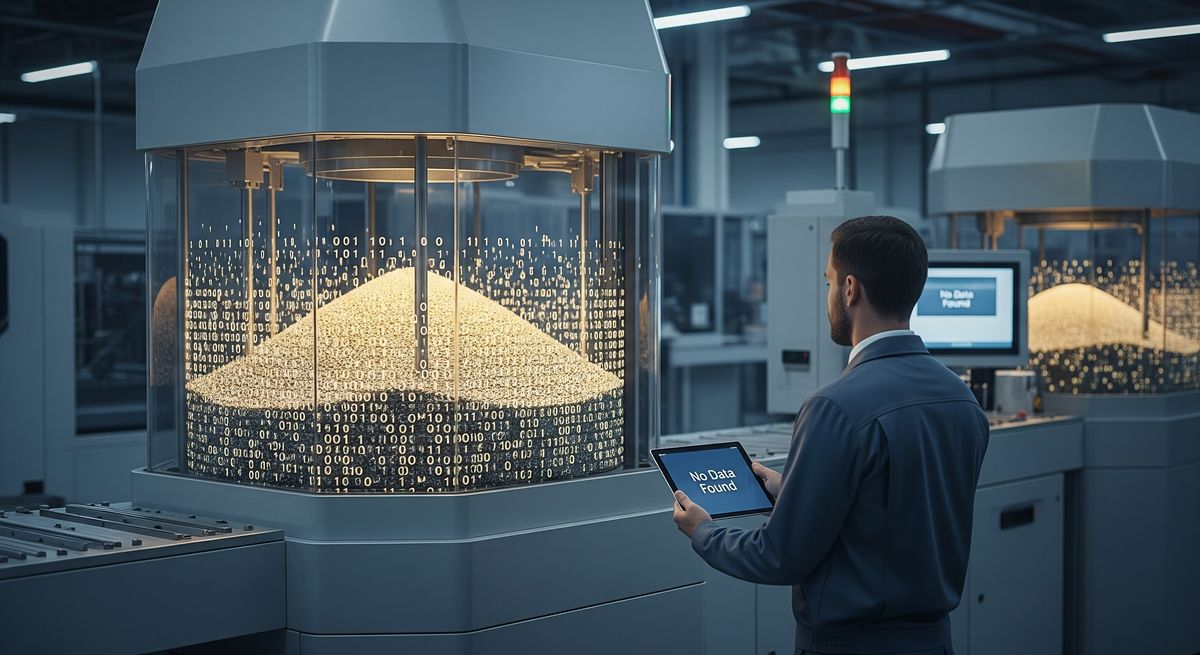
The contemporary industrial landscape is characterized by an unprecedented generation of digital information. Modern manufacturing enterprises produce more data than ever before, utilizing high-precision Computer Numerical Control (CNC) machines, sophisticated Enterprise Resource Planning (ERP) systems, and advanced AI-driven vision tools. Despite this abundance of digital output, a significant portion of industrial information remains sequestered within isolated architectural structures known as data silos. These silos represent disconnected pools of information inaccessible to external systems, creating visibility gaps that slow decision-making and stall the adoption of artificial intelligence across production lines.
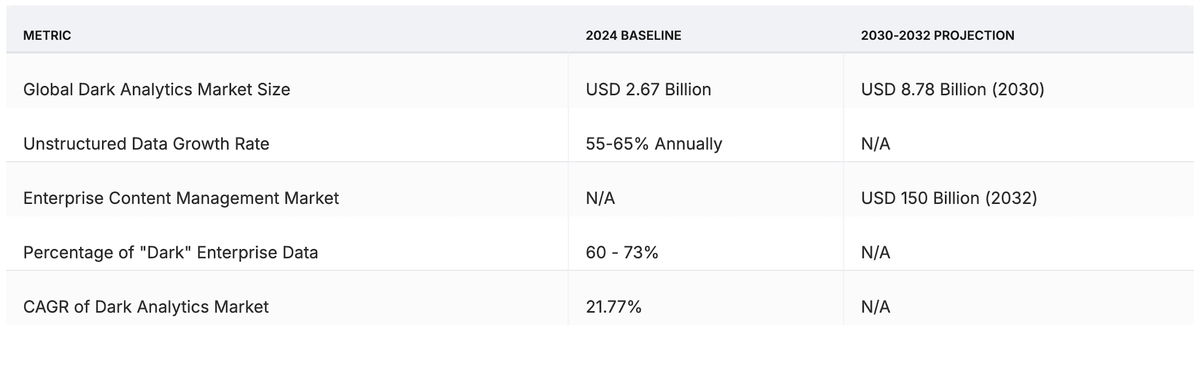
The economic implications of this fragmentation are immense. Statistical analysis indicates that up to 73 percent of all enterprise data remains unused. This phenomenon is frequently described as "dark data," representing the vast reserves of unstructured information that organizations collect but fail to analyze. In specialized industrial environments, this figure can escalate to 90 percent for sensor-generated telemetry. Unifying these disparate data streams is now the primary driver of manufacturing productivity, transforming isolated assets into a model of integrated intelligence to underpin the next era of Industry 4.0.
The financial burden of maintaining fragmented data environments is often underestimated. Global enterprises lose an estimated USD 3.1 trillion annually due to the high costs associated with data silos. In manufacturing, these costs manifest as unplanned downtime, sub-optimal equipment utilization, and redundant maintenance efforts. The median cost of unplanned downtime is approximately USD 125,000 per hour, highlighting the sensitivity of industrial economics to process disruptions.
Organizations currently effectively utilize only 20 to 30 percent of their data assets, leading to potential revenue losses in the billions. Furthermore, unutilized storage for these assets costs an average of USD 5 to 10 per gigabyte annually. Without a unification strategy, manufacturers pay a premium to store digital waste that could otherwise fuel process optimization. Gartner predicts that by 2027, 60 percent of organizations will fail to manage unstructured data effectively, resulting in missed innovation and heightened regulatory risks.
Market Dynamics and Data Growth
The projected growth of the dark analytics market necessitates a unified integration strategy to capture the following projected gains:
II. The Data Silo Problem – Why Integration Still Fails
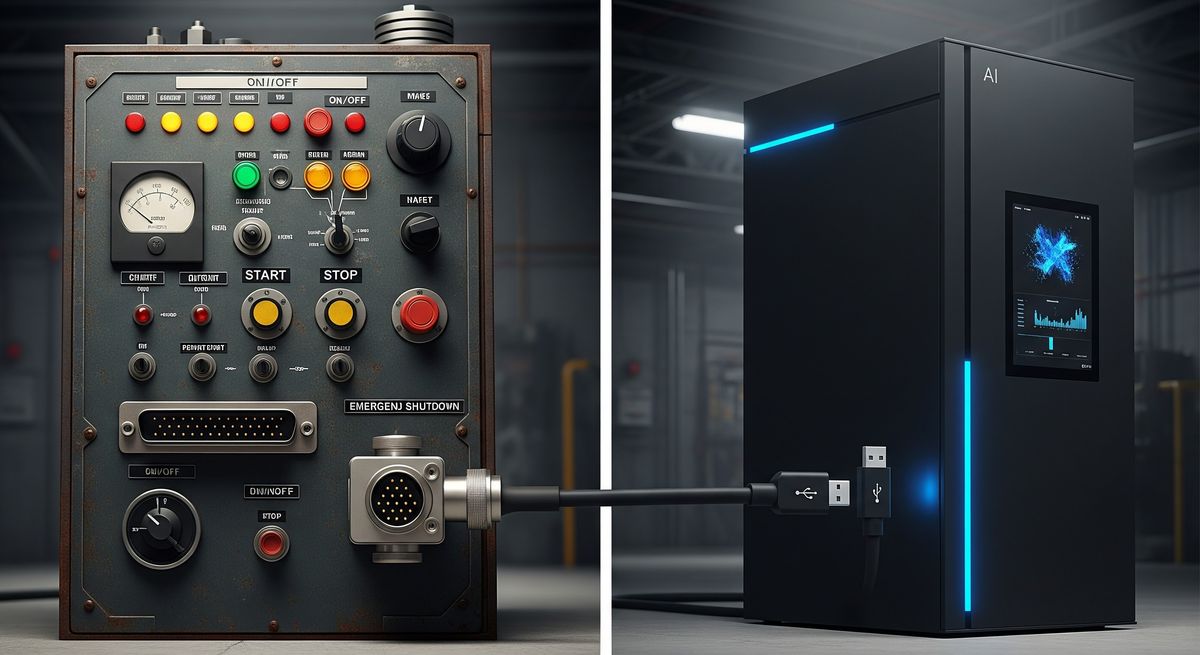
Integrating industrial data remains complex due to a confluence of technical debt, organizational misalignment, and vendor-centric ecosystems.
Legacy Barriers and Technical Debt
Manufacturing facilities often operate equipment with lifespans of 20 to 30 years. These legacy machines rely on proprietary communication protocols incompatible with modern IT standards. Attempting to extract data often requires custom coding or specialized hardware gateways, driving up implementation costs and extending the time-to-value for digital transformation projects. These systems often lack the metadata necessary to contextualize raw streams of numbers, requiring intensive manual reconciliation.
Organizational Inertia and Vendor Lock-In
Data silos often reflect organizational silos. Ownership of data is fragmented across engineering, operations, and IT, each managing its own software stack. This misalignment is most evident in the "OT versus IT" divide, where Operational Technology teams prioritize machine uptime while IT teams prioritize standardization and security.
The industrial software market exacerbates this through vendor lock-in. Vendors frequently impose high support fees and mandatory upgrades, which can account for up to 20 percent of a license fee annually. Relying on a single vendor limits strategic flexibility, resulting in an AI leadership paradox that prevents the adoption of specialized AI solutions.
III. The Case for Unified Data – From Islands to Intelligence
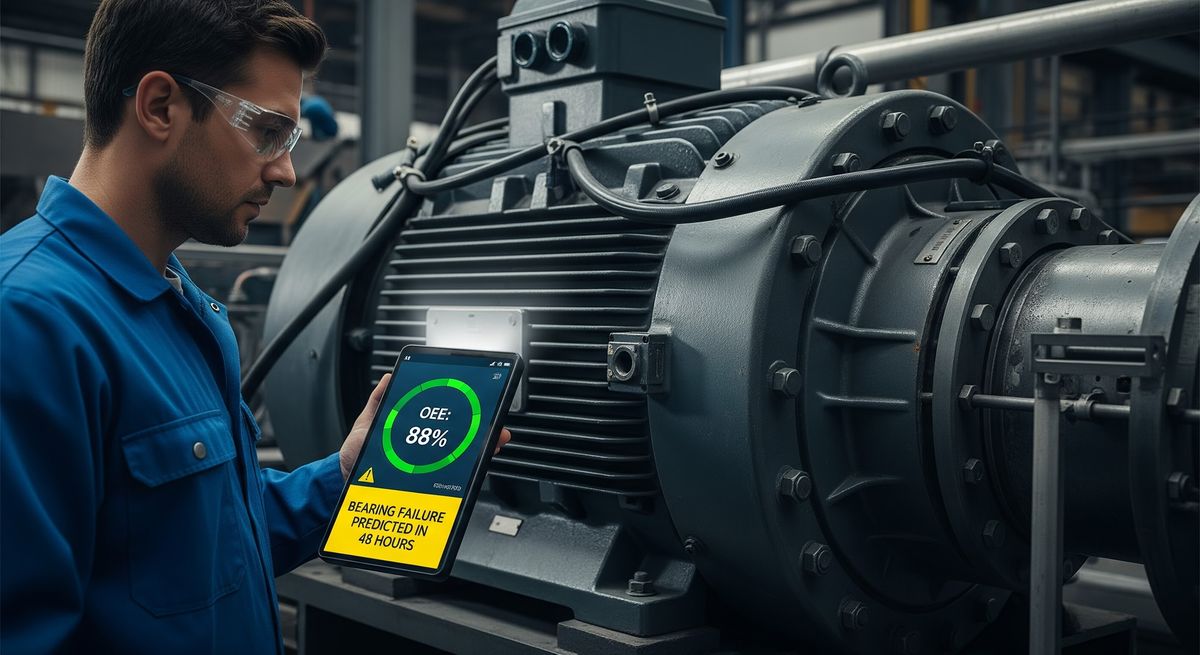
Unifying data transforms raw information into a strategic asset, enabling real-time performance tracking across the production cycle. With unified data, Overall Equipment Effectiveness (OEE) can be calculated dynamically, allowing supervisors to respond to issues as they occur rather than performing backward-looking analysis.
Predictive Maintenance and Resource Optimization
Data unification is the essential foundation for predictive maintenance (PdM). By integrating sensor telemetry with historical logs, AI models can identify failure "signatures" weeks in advance. Quantifiable benefits include a 10-40% reduction in maintenance costs and a 70% reduction in equipment breakdowns.
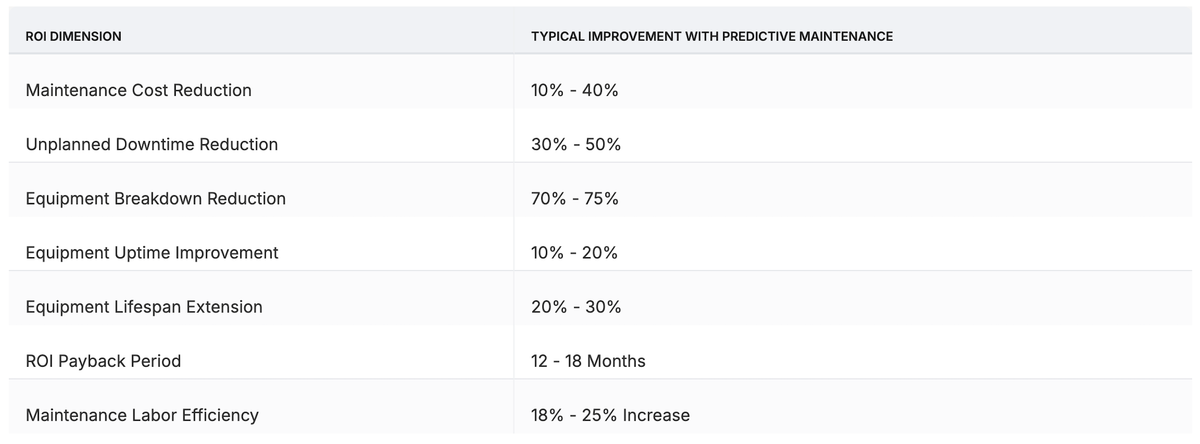

The quantifiable benefits are substantial. For instance, manufacturing downtime costs a median of USD 125,000 per hour. Research shows that 95 percent of companies implementing predictive maintenance report positive returns, with some achieving a 10x ROI. Ford's commercial vehicle division reportedly saved USD 7 million by predicting failures for just one component type. Furthermore, optimized maintenance schedules lead to a 3 to 5 percent reduction in energy consumption as equipment operates at peak efficiency.
Agility and Innovation
A shared data environment fosters cross-functional collaboration, connecting design, manufacturing, and inspection through a "digital thread." This unified data runway is a prerequisite for advanced technologies like digital twins and agentic AI, which require a closed-loop flow of synchronized data to remain accurate and functional.
IV. Pathways to Integration – How to Break the Silos

Breaking silos requires a strategic approach that combines modern technical architecture with human-centric change management.
Adopting Open Standards
The foundation of a unified data strategy is the adoption of open, vendor-neutral standards:
- OPC UA: The industrial standard for structured data exchange, defining the semantic meaning behind raw numbers.
- MQTT: A lightweight, publish-subscribe protocol designed for efficient communication over unreliable networks.
By using these standards, manufacturers can build a Unified Namespace (UNS). A UNS acts as a centralized data dictionary where all machines and systems publish their state, moving away from rigid hierarchical structures toward a flexible, event-driven architecture.
The Role of Edge Gateways
The technical solution to legacy connectivity lies in Edge Gateways—industrial PCs that connect to machines via serial or ethernet ports. These devices act as universal translators; they read raw signals from the PLC (e.g., "Register 4001") and translate them into human-readable tags (e.g., "Conveyor_Speed = 1.5 m/s"). This process normalizes data at the source, ensuring it arrives at the enterprise level ready for analysis without requiring heavy manual cleanup.
Leveraging Industrial DataOps and AI
Modern integration strategies utilize Industrial DataOps solutions to manage data flows. Middleware platforms connect heterogeneous OT systems, normalize the data, and deliver it to cloud-based data lakes.
One of the most exciting developments is the use of AI agents to automate the integration process itself. These agents can perform schema mapping, automatically identifying and aligning data fields between different systems. For example, an AI agent can recognize that a specific temperature tag in a PLC corresponds to a bearing temperature in a maintenance system, even if the names differ.
Incremental Implementation: Crawl, Walk, Run
To mitigate risk, manufacturers should adopt a phased approach:
- Phase 1 (Crawl): Start with a single production line, retrofitting legacy machines with IIoT sensors to capture basic telemetry.
- Phase 2 (Walk): Implement a Unified Namespace for the pilot area and use a solid data foundation to drive a specific use case like OEE tracking.
- Phase 3 (Run): Scale the architecture across the plant. This prevents "pilot purgatory" and allows for the integration of advanced AI agents for autonomous orchestration.
Human Alignment
Successful transformation requires managing the people-side of change using frameworks like the Prosci ADKAR® Model. Leadership must visibly champion the new system, shifting the cultural focus from "entering data" to "using insights." Training should focus on demonstrating how these tools simplify daily tasks and reduce frustrating "fire-fighting" on the shop floor.
V. Conclusion – Building a Connected Manufacturing Future
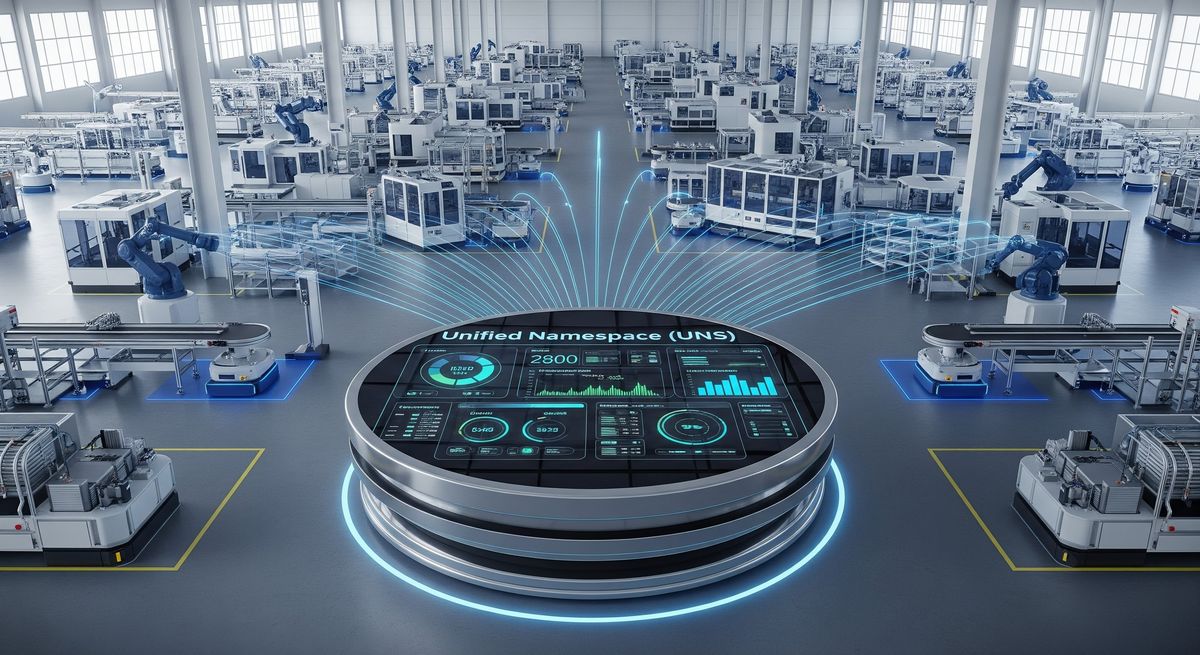
Unifying data is far more than a technical upgrade; it is a strategic transformation. The hidden costs of disconnected data—manifesting as trillions in lost productivity—are no longer sustainable in a market defined by volatility. The transition from isolated pools of information to a unified intelligence framework is the essential first step for realizing the full potential of Industry 4.0.
As generative AI and edge computing mature, the boundaries between the shop floor and the boardroom will vanish. For manufacturing leaders, data openness must become a cultural priority. By breaking down silos today, manufacturers build the foundation for a resilient, efficient, and innovative future where isolated assets are finally transformed into integrated intelligence.
—----
The journey toward a fully connected manufacturing enterprise is not a one-time event, but an ongoing strategic evolution. By prioritizing open standards, investing in the human element of change, and leveraging AI-driven orchestration, leaders can unlock the dormant value trapped in their data silos. Organizations that successfully navigate this transformation don't just achieve incremental gains; they position themselves at the forefront of the next industrial era with a proven path toward cutting costs, increasing productivity, and achieving measurable ROI. To begin defining your roadmap and turning these industrial insights into business value, partner with the experts at ATS.